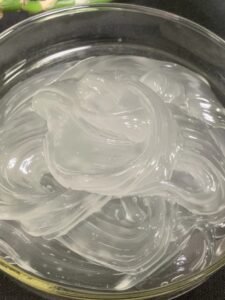
Palm-Derived Industrial Products Supplier Malaysia — JBLS RESOURCES supplies a range of palm-derived industrial materials sourced from Malaysian palm oil and palm kernel resources for manufacturers and industrial customers worldwide.
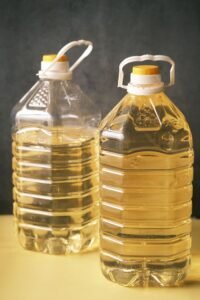
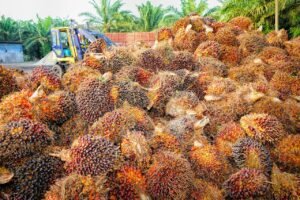
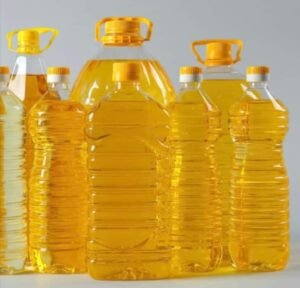
Our Palm-Derived Industrial Products are sourced from responsibly processed palm oil and palm kernel resources and serve as versatile raw materials for a wide range of industrial applications. From palm wax and industrial fats to lubricant, emulsifier, surfactant and fatty alcohol feedstocks, our products support manufacturers seeking reliable, renewable and consistent palm-based alternatives.
With flexible specifications and export-ready packaging, JBLS RESOURCES supplies palm-derived materials to meet the requirements of diverse industrial and manufacturing sectors.
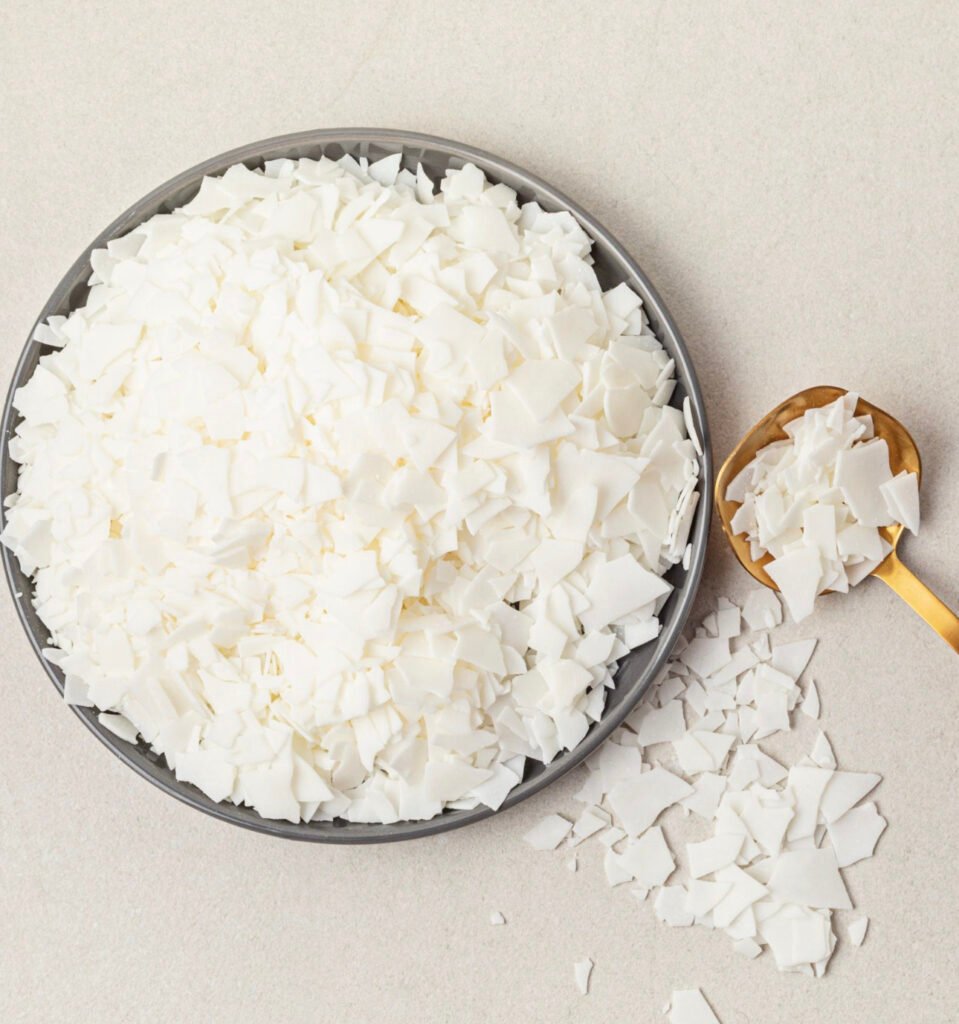
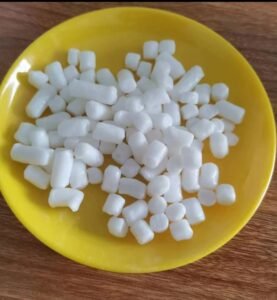
Palm Wax is a plant-based wax derived from palm oil fractions, particularly palm stearin. It is a renewable alternative to petroleum-derived paraffin wax and is widely used in candles, decorative wax products and specialty applications. Commercial palm wax grades can have melting points around 56–66°C, depending on grade and formulation.
Typical Specification:
Melting Point: 56–66°C
Acid Value: 145–230 mg KOH/g
Iodine Value: ≤8 g I₂/100 g
Moisture & Impurities: ≤0.25%
Color: ≤3.0R Lovibond
Appearance: White to off-white solid
Odor: Mild, characteristic
Origin: Malaysia
Application: Candle manufacturing, decorative candles, wax melts and specialty wax products
Packaging: 20–25 kg Bags, Cartons, Jumbo Bags or Bulk
Typical Specification:
Melting Point: 55–65°C
Acid Value: 160–220 mg KOH/g
Iodine Value: ≤10 g I₂/100 g
Moisture & Impurities: ≤0.25%
Color: ≤3.0R Lovibond
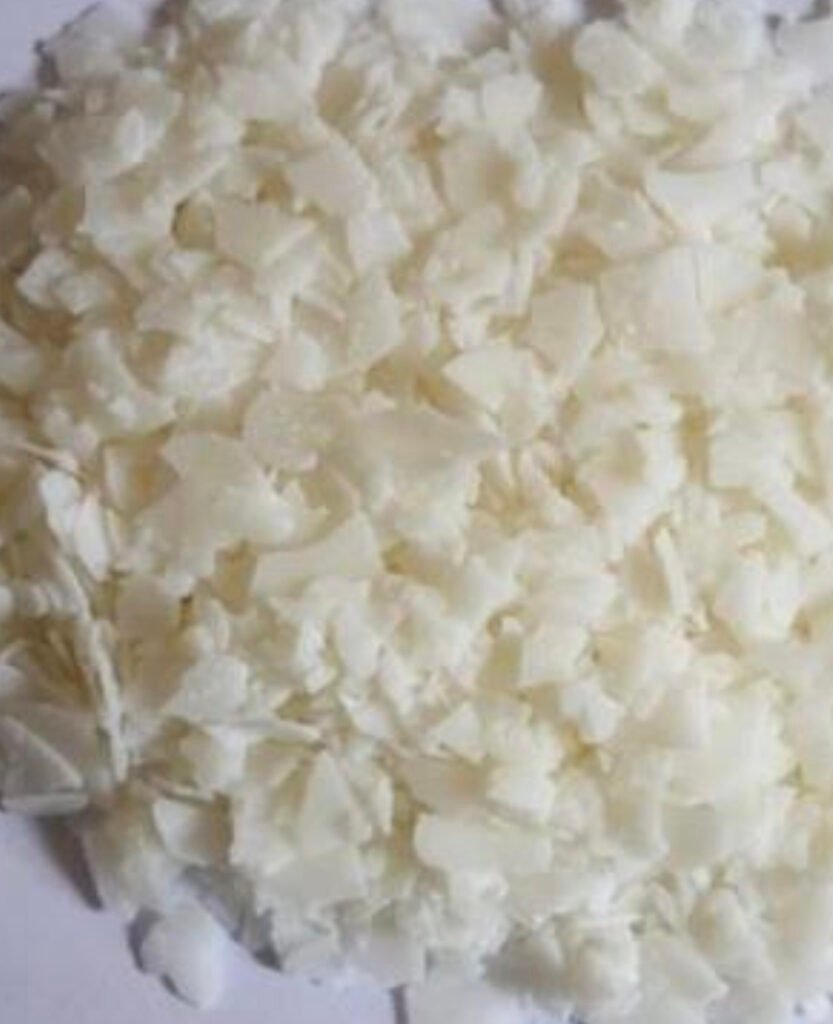
Appearance: White to off-white flakes or granules
Odor: Mild, characteristic
Origin: Malaysia
Application: Pillar candles, container candles, decorative candles, votives and wax melts
Packaging: 20–25 kg Bags, Cartons or Jumbo Bags
Typical Specification:
FFA: ≤1.0%
Moisture & Impurities: ≤0.25%
Iodine Value: 30–55 g I₂/100 g
Acid Value: ≤2.0 mg KOH/g
Melting Point: 35–55°C
Peroxide Value: ≤10 meq O₂/kg
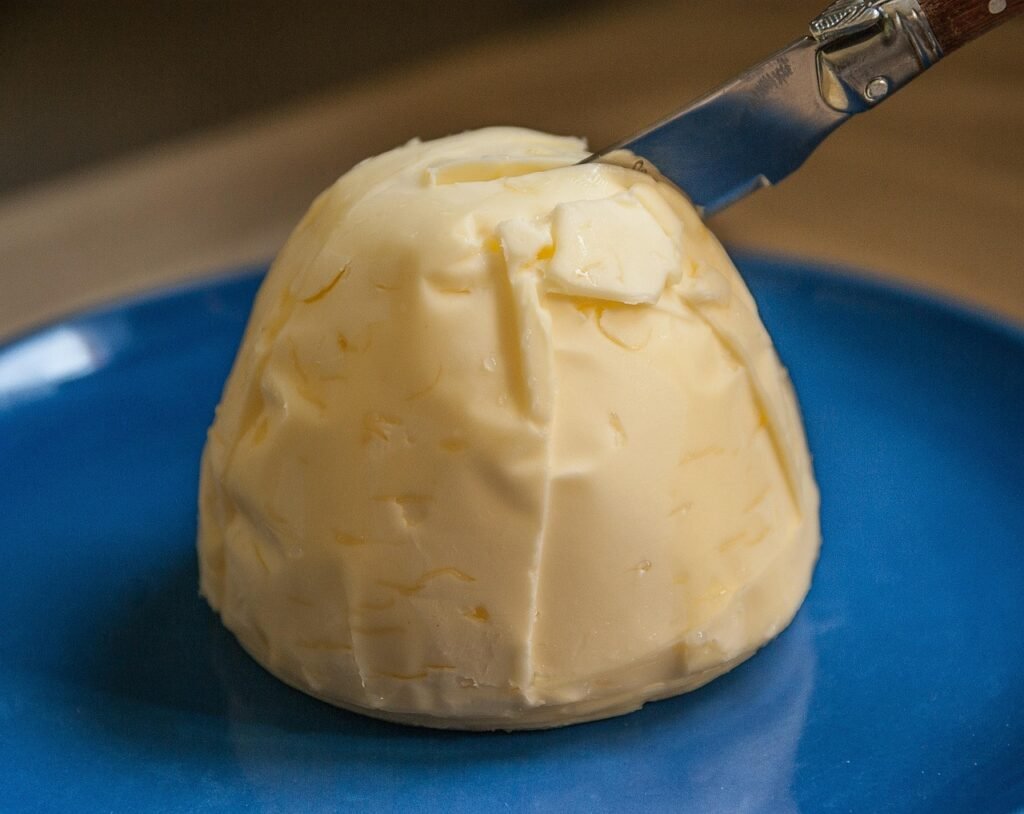
Appearance: White to pale yellow solid or semi-solid
Odor: Characteristic, free from abnormal odors
Origin: Malaysia
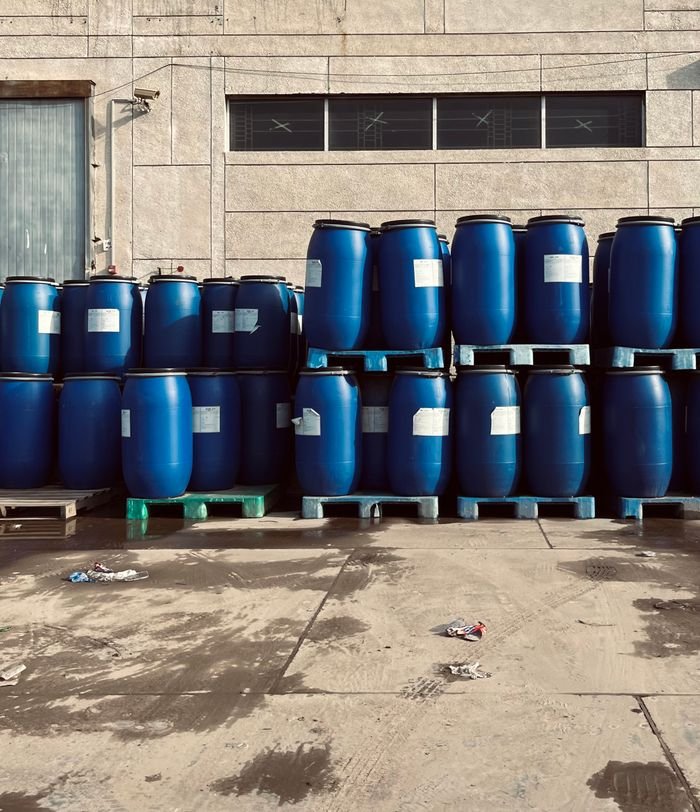
Application: Industrial formulations, candles, lubricants, rubber processing, soaps and specialty products
Packaging: HDPE Drums, IBC Tanks, Jumbo Bags or Bulk
Typical Feedstock Specification:
FFA: ≤1.0%
Moisture: ≤0.10%
Moisture & Impurities: ≤0.25%
Iodine Value: 40–60 g I₂/100 g
Acid Value: ≤2.0 mg KOH/g
Peroxide Value: ≤5 meq O₂/kg
Appearance: Clear to pale yellow liquid or semi-solid
Odor: Mild, characteristic
Origin: Malaysia
Application: Biolubricants, hydraulic fluids, metalworking fluids, industrial lubricants and specialty esters
Packaging: Drums, IBC Tanks, Flexitank, ISO Tank or Bulk Tanker
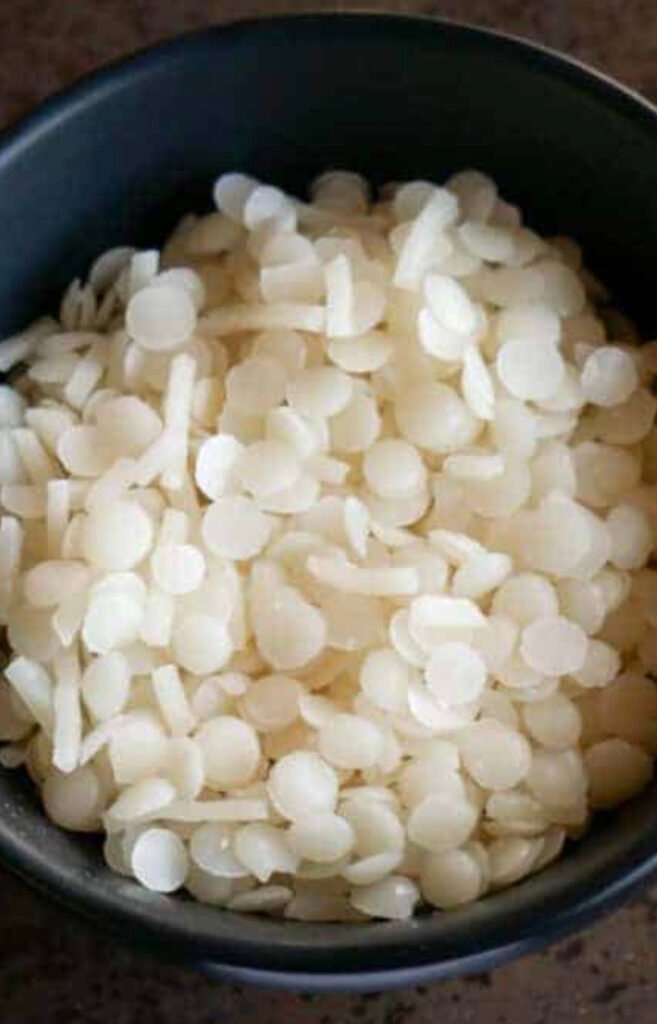
Palm-Based Emulsifiers are functional ingredients produced from palm-derived fatty acids, glycerine and other oleochemical intermediates. They help stabilize mixtures of oil and water and are used across food, cosmetics, personal care and industrial formulations. Malaysia’s oleochemical industry produces palm-derived intermediates used in emulsifiers and other downstream products.
Typical Specification:
Active Matter: ≥95%
Moisture: ≤1.0%
Acid Value: ≤5 mg KOH/g
Free Fatty Acid: ≤3.0%
Iodine Value: ≤10 g I₂/100 g
Appearance: White to pale yellow flakes, beads or powder
Odor: Mild, characteristic
Origin: Malaysia
Application: Food formulations, cosmetics, personal care, pharmaceuticals and industrial emulsions
Packaging: 20–25 kg Bags, Cartons, Drums or Jumbo Bags
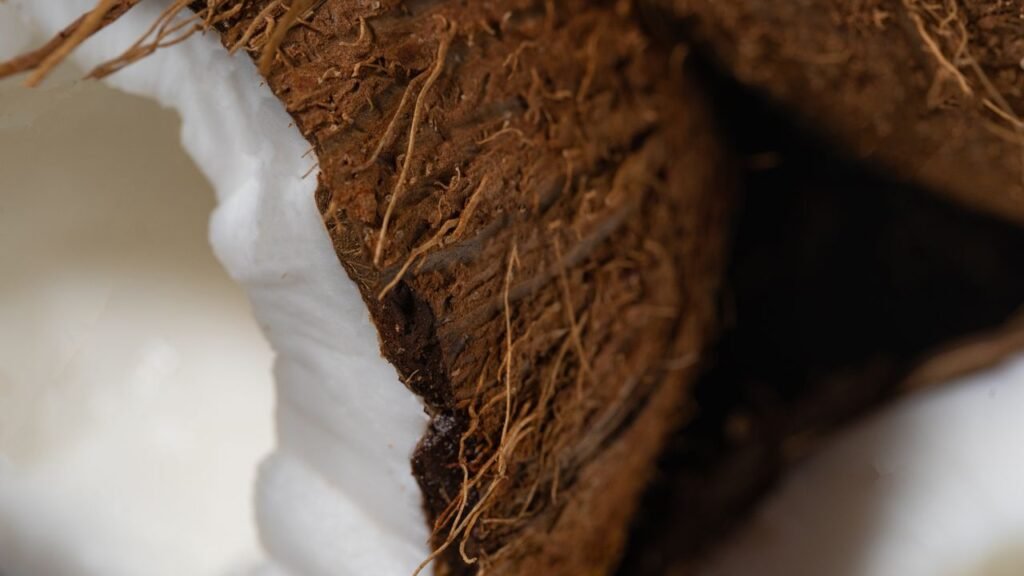
Typical Feedstock Specification:
Total Fatty Matter: ≥98%
FFA: ≤1.0%
Moisture & Impurities: ≤0.25%
Iodine Value: 40–60 g I₂/100 g
Acid Value: ≤2.0 mg KOH/g
Peroxide Value: ≤5 meq O₂/kg
Appearance: Clear to pale yellow liquid or white to pale yellow solid
Odor: Characteristic, free from rancid odors
Origin: Malaysia
Application: Detergents, personal care, cosmetics, industrial cleaners and surfactant manufacturing
Packaging: Drums, IBC Tanks, Flexitank, ISO Tank or Bulk
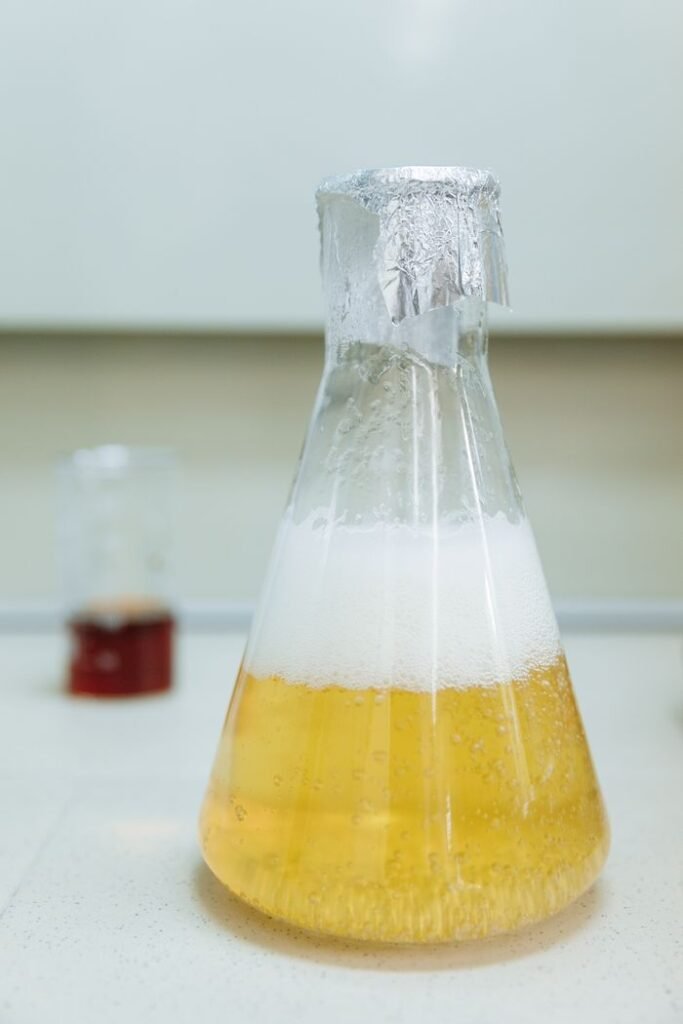
Typical Feedstock Specification:
Total Fatty Matter: ≥98%
FFA: ≤1.0%
Moisture: ≤0.10%
Moisture & Impurities: ≤0.25%
Iodine Value: 40–60 g I₂/100 g
Acid Value: ≤2.0 mg KOH/g
Appearance: Clear to pale yellow liquid or semi-solid
Odor: Characteristic, free from abnormal odors
Origin: Malaysia
Application: Fatty alcohol production, surfactants, detergents, cosmetics and personal care
Packaging: Drums, IBC Tanks, Flexitank, ISO Tank or Bulk Tanker
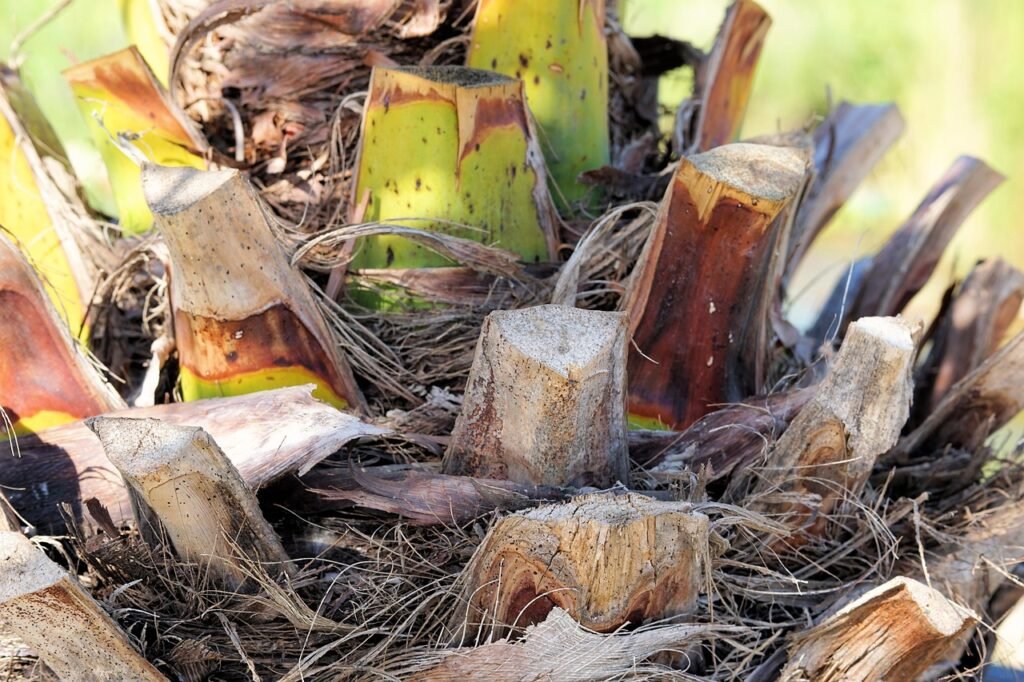
Palm Trunk is a biomass resource obtained from oil palm trees during replanting and plantation renewal. It can be processed into wood products, biomass fuel, panels, fibers and other value-added materials.
Typical Specification:
Moisture: 40–70% as received
Ash: ≤5%
Gross Calorific Value: 2,000–4,000 kcal/kg
Bulk Density: Variable according to chip size
Appearance: Fresh to dried fibrous woody material
Foreign Matter: Minimal
Origin: Malaysia
Application: Biomass fuel, wood panels, fiber products, pellets, briquettes and bio-based materials
Packaging: Bulk Truck, Container or Bulk Vessel
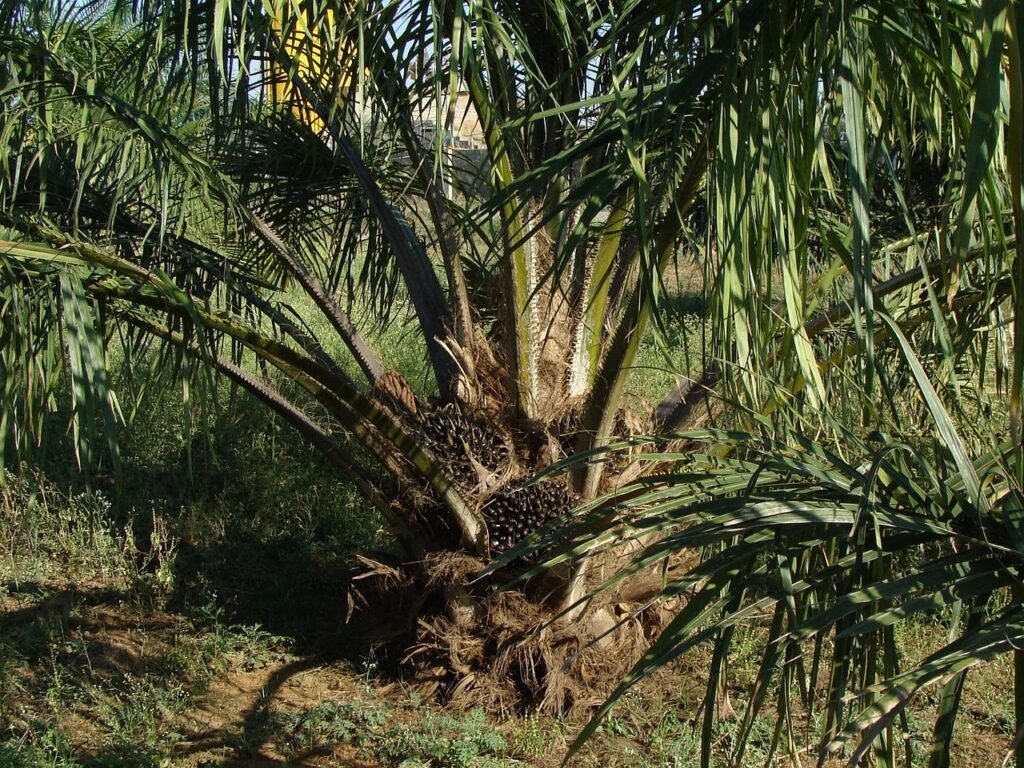
Palm Fronds are renewable agricultural biomass residues generated from oil palm plantations during pruning and harvesting. They can be processed into biomass fuel, compost, animal-feed fiber and other value-added products.
Typical Specification:
Moisture: 30–60% as received
Ash: ≤8%
Volatile Matter: 65–80%
Fixed Carbon: 10–20%
Gross Calorific Value: 2,500–4,000 kcal/kg
Appearance: Green to brown fibrous plant material
Foreign Matter: Minimal
Origin: Malaysia
Application: Biomass fuel, composting, pellet production, briquettes and renewable energy
Packaging: Bulk Truck, Jumbo Bags, Containers or Bulk Vessel
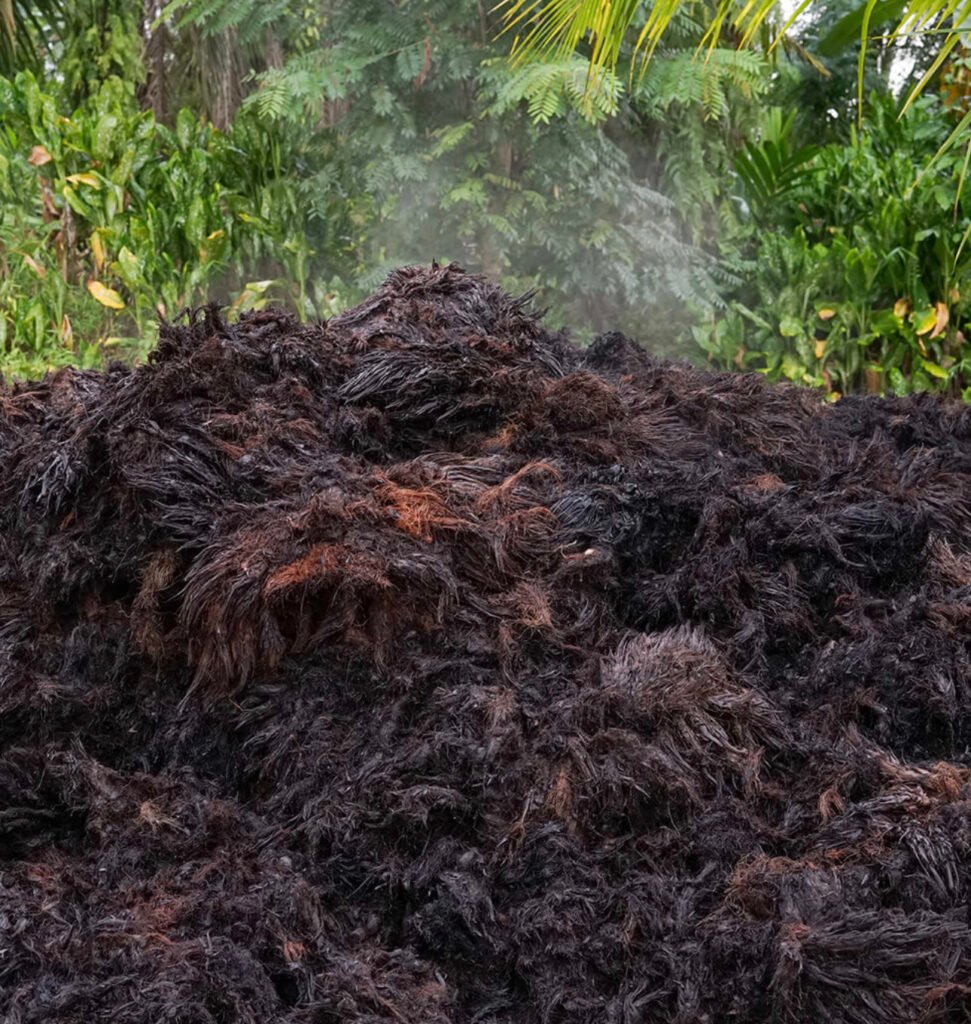
Palm Biomass Fuel is produced from renewable residues generated throughout the palm oil industry, including palm kernel shells, palm fiber, empty fruit bunches, trunks and fronds. These materials provide an alternative renewable fuel source for boilers, power generation and industrial heating.
Typical Specification:
Moisture: 10–30% depending on biomass type
Ash: ≤8%
Volatile Matter: 65–80%
Fixed Carbon: 10–25%
Gross Calorific Value: 3,000–4,800 kcal/kg
Appearance: Brown to dark brown solid or fibrous biomass
Foreign Matter: Minimal
Origin: Malaysia
Application: Biomass boilers, steam generation, power plants, industrial heating, pellets and briquettes
Packaging: Bulk Truck, Jumbo Bags, Containers or Bulk Vessel