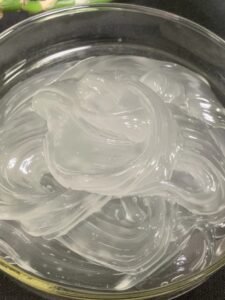
JBLS RESOURCES is a trusted global supplier of palm-derived oleochemicals and renewable bioenergy feedstocks. Driven by sustainable processing and reliable supply chain integration, we deliver versatile raw materials tailored for industrial manufacturing, personal care, pharmaceutical, and clean-energy applications.
Our comprehensive product line encompasses high-purity refined glycerine, multi-grade palm-based soap noodles, industrial fatty alcohols, palm methyl ester (PME), and high-FFA sludge palm oil (SPO). Whether you require scalable feedstocks for biodiesel production or specialized oleochemical fractions for downstream consumer formulations, JBLS RESOURCES offers standardized quality, flexible packaging solutions, and consistent global logistics support to meet your operational requirements.
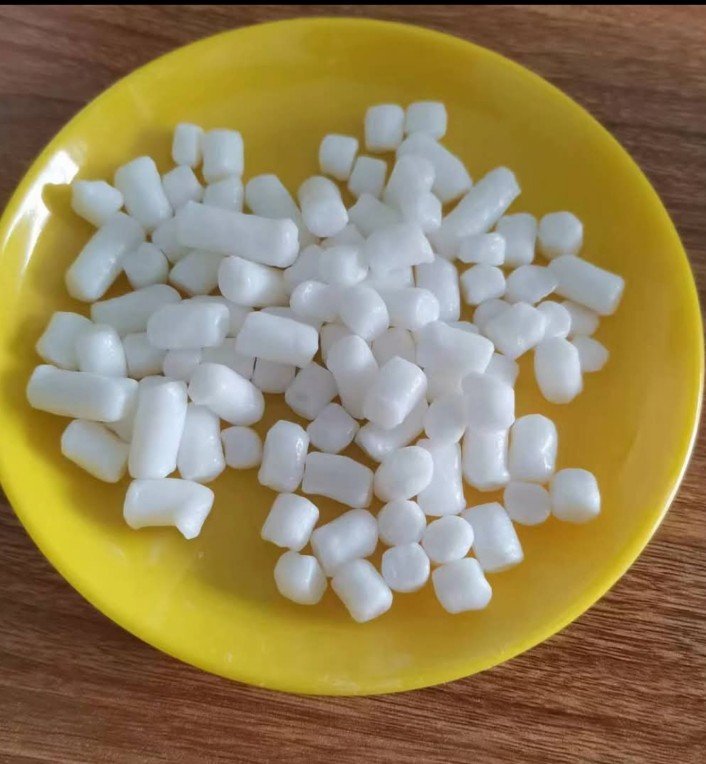
Palm-Based Soap Raw Material for Toilet, Laundry & Household Soaps
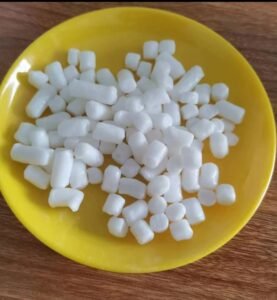
Palm-based Soap Noodles are ready-to-process soap bases manufactured from palm oil, palm stearin and palm kernel oil. Available in various TFM grades and oil ratios to meet different soap manufacturing requirements.
Typical Grades:
Grade
Typical Application
TFM 65%
Laundry & household soap
TFM 68%
Economy toilet & laundry soap
TFM 72%
Toilet & multipurpose soap
TFM 75%
Toilet & personal-care soap
TFM 78%
Premium toilet & bathing soap
TFM 80%
High-TFM premium soap
Available Oil Ratios:
80:20 Palm Oil/Palm Stearin : Palm Kernel Oil
90:10 Palm Oil/Palm Stearin : Palm Kernel Oil
Typical General Specification:
TFM: 65–80%
Moisture: ≤14–22%, depending on TFM grade
Free Alkali as NaOH: ≤0.05–0.10%
Chloride as NaCl: ≤0.5–1.0%
Appearance: White to off-white noodles
Form: Noodles / pellets
Origin: Palm-based
Applications: Toilet soap • Bathing soap • Laundry soap • Household soap • Personal-care soap • Multipurpose soap
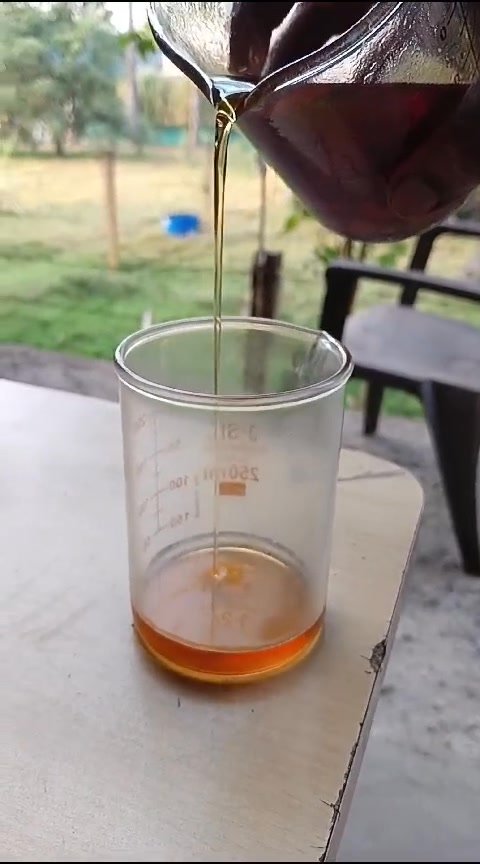
Palm-Based Industrial Feedstock
Crude Glycerine is a glycerol-rich co-product obtained from palm-based biodiesel and oleochemical processing. It is used as an economical feedstock for further refining and various industrial applications.
Typical Specification:
Glycerol: ≥80%
Water: ≤13%
MONG: ≤3%
Ash: ≤7%
Methanol: ≤1.5%
Appearance: Brown to dark brown viscous liquid
Origin: Palm-based
Applications: Biodiesel processing • Oleochemicals • Industrial chemicals • Glycerine refining • Technical applications
Packaging: Bulk / Flexitank / IBC / Drums, subject to requirements.
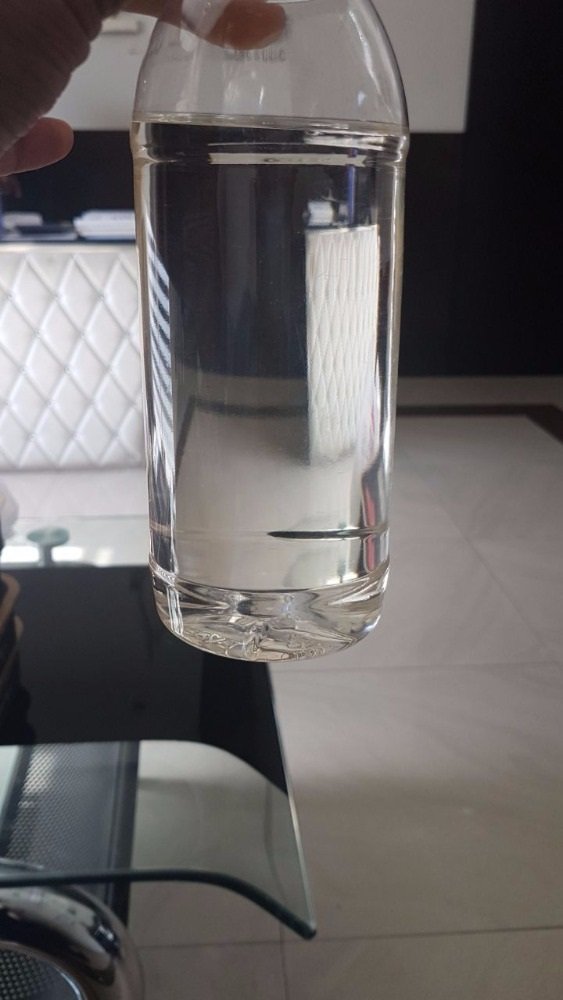
Refined Glycerine 99.5% is a high-purity, clear and colourless glycerol suitable for applications requiring consistent purity, appearance and controlled impurities. Palm-derived refined glycerine is widely used in personal care, cosmetics, food, pharmaceutical and industrial applications.
Typical USP/BP-Grade Specification
| Parameter | Specification |
|---|---|
| Glycerol Content | 99.5% Min. |
| Appearance | Clear, colourless liquid |
| Odour | Odourless |
| Specific Gravity @ 25°C | 1.260 Min. |
| Refractive Index @ 20°C | 1.470–1.475 |
| Colour, APHA | 10 Max. |
| Water | 0.50% Max. |
| Fatty Acids & Esters | 1.0 Max. |
| Sulphated Ash / Residue on Ignition | 0.01% Max. |
| Chlorides | 10 ppm Max. |
| Sulphates | 20 ppm Max. |
| Chlorinated Compounds | 30–35 ppm Max. |
| Heavy Metals | 5 ppm Max. |
| Arsenic | 1.5 ppm Max. |
| Diethylene Glycol | 0.1% Max. |
| Ethylene Glycol | 0.1% Max. |
| Sugar | Negative / Pass |
| Acidity / Alkalinity | 0.2 Max |
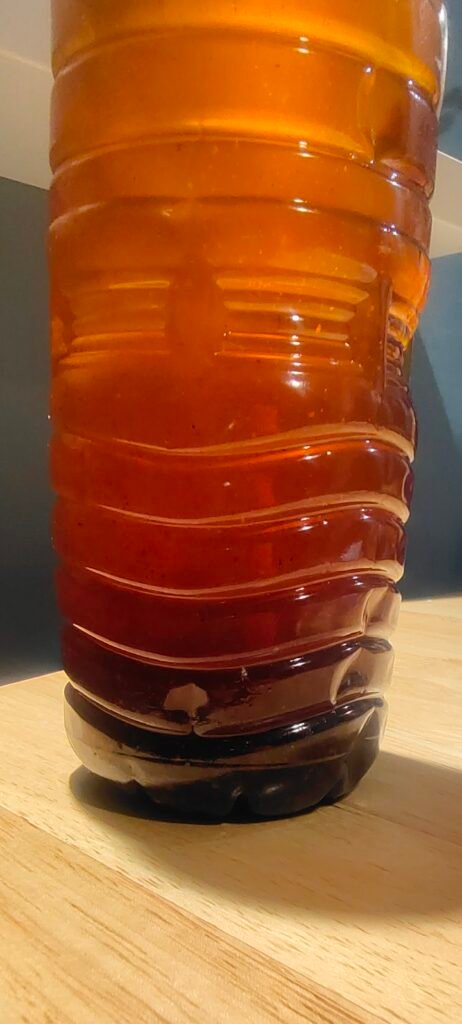
Premium Sludge Palm Oil (SPO) recovered from palm oil milling operations, processed and selected as a suitable high-value feedstock for biodiesel and oleochemical applications. Its high oil content and naturally high FFA make it particularly suitable for esterification and subsequent biodiesel production.
Specification:
FFA: 20–40%
Total Fatty Matter: ≥97%
Moisture: ≤1.0%
Moisture & Impurities: ≤2.0%
Sediment: ≤1.0%
Iodine Value: 45–60 g I₂/100 g
Saponification Value: 190–205 mg KOH/g
Unsaponifiable Matter: ≤1.0%
Origin: Malaysia
Packaging: Bulk Flexitank / ISO Tank, 20–24 MT per 20′ container
SPO Grade A — Biodiesel Feedstock
FFA: 30–50%
TFM: ≥95%
M&I: ≤3%
Moisture: ≤2%
SPO Premium — Biodiesel Feedstock
FFA: 20–40%
TFM: ≥97%
M&I: ≤2%
Moisture: ≤1%
Lower sediment and phosphorus
Main Applications
Biodiesel Production
High-FFA SPO can be processed through appropriate pretreatment and esterification/transesterification processes to produce biodiesel.
Oleochemical Processing
Can be used as a lower-cost fatty feedstock for the production of fatty acids and other palm-derived oleochemicals.
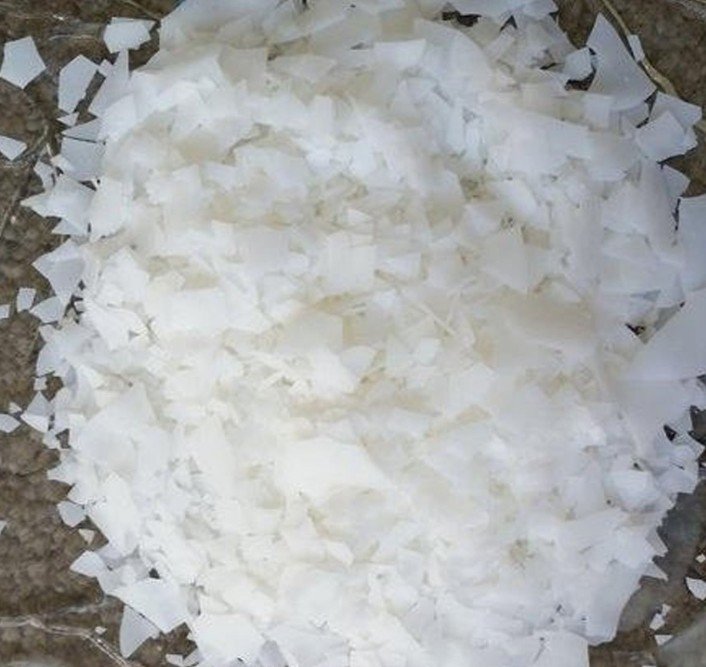
Palm-Based Oleochemical Raw Materials
Fatty Alcohols are high-purity long-chain alcohols derived primarily from natural vegetable oils and fats. They are important oleochemical raw materials used in the manufacture of surfactants, detergents, cosmetics, personal-care products, lubricants, plasticizers and other specialty chemicals.
JBLS RESOURCES can supply a range of natural fatty alcohols and blended chain-length grades, subject to customer requirements and availability.
Major Commercial Grades
| Parameter | C12 Alcohol | C14 Alcohol | C16 Alcohol | C18 Alcohol | C16/C18 Alcohol |
|---|---|---|---|---|---|
| Common Name | Lauryl Alcohol | Myristyl Alcohol | Cetyl Alcohol | Stearyl Alcohol | Cetostearyl Alcohol |
| Chemical Chain | C12 | C14 | C16 | C18 | C16/C18 |
| Typical Purity, % | ≥98 | ≥98 | ≥98 | ≥98 | ≥98 |
| Hydroxyl Value, mg KOH/g | ~295–305 | ~260–270 | ~225–235 | ~205–215 | ~215–230 |
| Acid Value, mg KOH/g | ≤0.5 | ≤0.5 | ≤0.5 | ≤0.5 | ≤0.5 |
| Iodine Value, g I₂/100g | Low | Low | Low | Low | Low |
| Moisture, % | ≤0.2 | ≤0.2 | ≤0.2 | ≤0.2 | ≤0.2 |
| Appearance | White flakes/pellets | White flakes/pellets | White flakes/pellets | White flakes/pellets | White flakes/pellets |
| Typical Form | Solid / flakes | Solid / flakes | Solid / flakes | Solid / flakes | Solid / flakes |
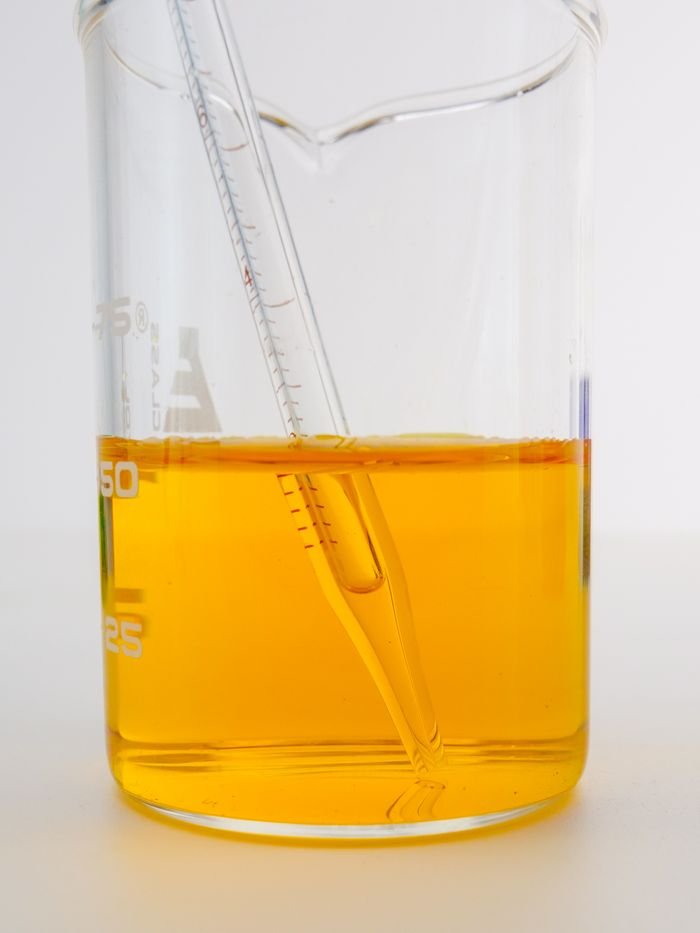
Palm Methyl Ester (PME) is a renewable, palm-based biodiesel produced through the transesterification of palm oil or palm-derived feedstocks with methanol. It is a clean-burning alternative fuel suitable for biodiesel blending, diesel engines and various industrial applications, offering a biodegradable and renewable energy solution.
Typical Specification:
Appearance: Clear to yellowish liquid
Methyl Ester Content: ≥96.5%
Density @ 15°C: 0.86–0.90 g/cm³
Kinematic Viscosity @ 40°C: 3.5–5.0 mm²/s
Acid Value: ≤0.50 mg KOH/g
Water: ≤500 mg/kg
Methanol: ≤0.20% w/w
Iodine Value: ≤120 g I₂/100 g
Oxidation Stability: ≥6 hours
Free Glycerol: ≤0.02%
Total Glycerol: ≤0.24%
Sulfur: ≤10 mg/kg
Phosphorus: ≤10 mg/kg
Application: Biodiesel, diesel blending and industrial fuel applications
Origin: Malaysia
Packaging: Bulk Flexitank, ISO Tank, IBC Tank or Drum
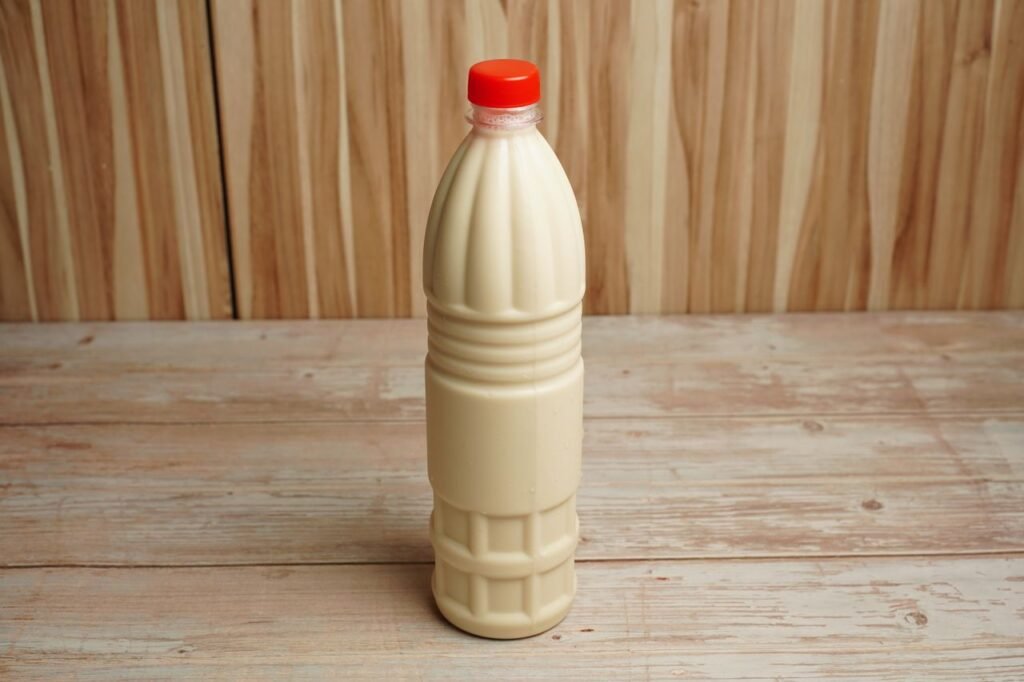
Palm Fatty Acid Distillate (PFAD) is a by-product of palm oil refining, rich in free fatty acids and widely used as a raw material for soap manufacturing, oleochemicals, animal feed and biodiesel production.
Typical Specification:
FFA (as Palmitic Acid): ≥85%
Moisture & Impurities: ≤1.0%
Iodine Value: 45–55 g I₂/100 g
Saponification Value: 195–205 mg KOH/g
Unsaponifiable Matter: ≤1.5%
Acid Value: ≥170 mg KOH/g
Color: Brown to dark brown
Appearance: Semi-solid to solid at ambient temperature
Odor: Characteristic fatty odor
Origin: Malaysia
Application: Soap, oleochemicals, biodiesel, animal feed and industrial applications
Packaging: HDPE Drums, Flexitank, ISO Tank, Bulk Tanker or Bulk Vessel

Vegetable Ghee is a refined, hydrogenated or specially fractionated vegetable fat formulated to provide a stable, semi-solid fat suitable for cooking, frying, bakery and food manufacturing applications. Palm-based vegetable ghee offers good oxidative stability and a long shelf life.
Typical Specification:
FFA (as Palmitic Acid): ≤0.10%
Moisture & Impurities: ≤0.10%
Iodine Value: 40–55 g I₂/100 g
Peroxide Value: ≤5 meq O₂/kg
Slip Melting Point: 36–42°C
Trans Fat: According to formulation / buyer requirement
Acid Value: ≤0.20 mg KOH/g
Color: ≤3R / 30Y (5¼” Lovibond)
Appearance: White to pale yellow semi-solid
Odor & Taste: Bland, clean and free from rancid odors
Origin: Malaysia
Application: Cooking, frying, bakery, confectionery, food processing and foodservice
Packaging: 1–20 kg Pails, Cartons, HDPE Drums, IBC Tanks or Bulk

Palm Acid Oil (PAO) is an acidic palm-based oil recovered during the physical refining of crude palm oil. It is rich in free fatty acids and is used as a cost-effective feedstock for biodiesel, soap, animal feed, oleochemicals and other industrial applications.
Typical Specification:
FFA (as Palmitic Acid): ≥50%
Moisture & Impurities: ≤2.0%
Iodine Value: 45–55 g I₂/100 g
Saponification Value: 195–210 mg KOH/g
Unsaponifiable Matter: ≤3.0%
Acid Value: ≥100 mg KOH/g
Appearance: Brown to dark brown liquid or semi-solid
Odor: Characteristic fatty odor
Origin: Malaysia
Application: Biodiesel, soap manufacturing, oleochemicals, animal feed and industrial applications
Packaging: HDPE Drums, IBC Tanks, Flexitank, ISO Tank, Bulk Tanker or Bulk Vessel
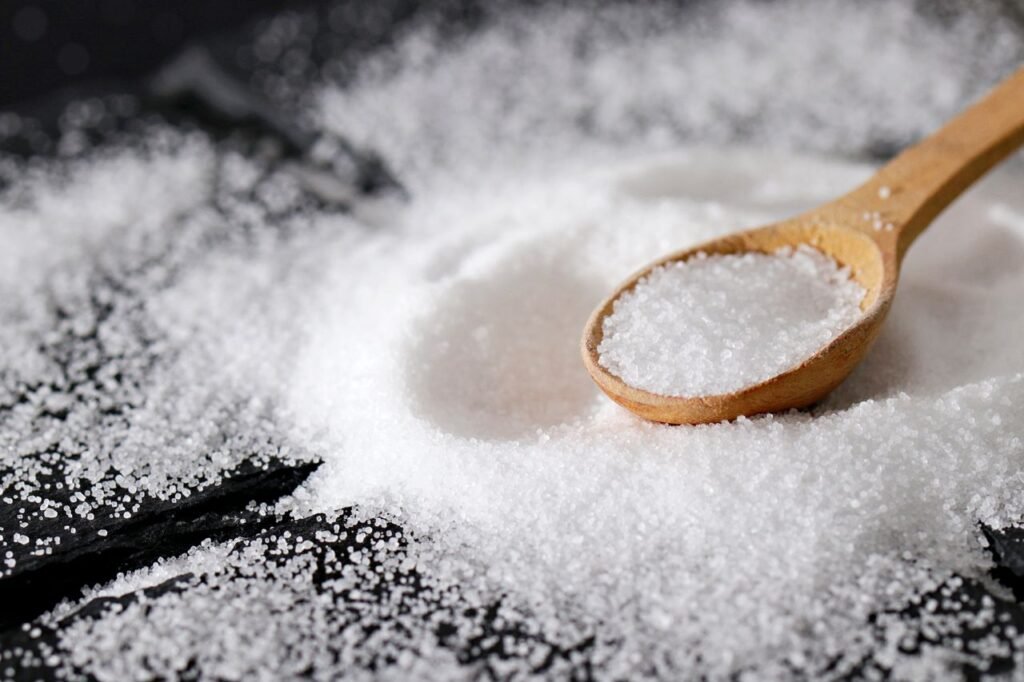
Stearic Acid is a saturated fatty acid commonly derived from palm-based oils and other natural fats. It is a versatile industrial raw material widely used in soap and detergent manufacturing, candles, cosmetics, rubber processing, plastics, lubricants and personal care products.
Typical Specification:
Stearic Acid Content: ≥45–50%
Palmitic Acid: 45–55%
Iodine Value: ≤1.0 g I₂/100 g
Acid Value: 195–210 mg KOH/g
Saponification Value: 195–210 mg KOH/g
Moisture: ≤0.20%
Melting Point: 54–58°C
Color: White to pale yellow
Appearance: White to off-white flakes, beads or powder
Odor: Mild, characteristic fatty odor
Origin: Malaysia
Application: Soap, candles, cosmetics, rubber, plastics, lubricants and industrial formulations
Packaging: 25 kg Bags, 500 kg Jumbo Bags or 1 MT Jumbo Bags
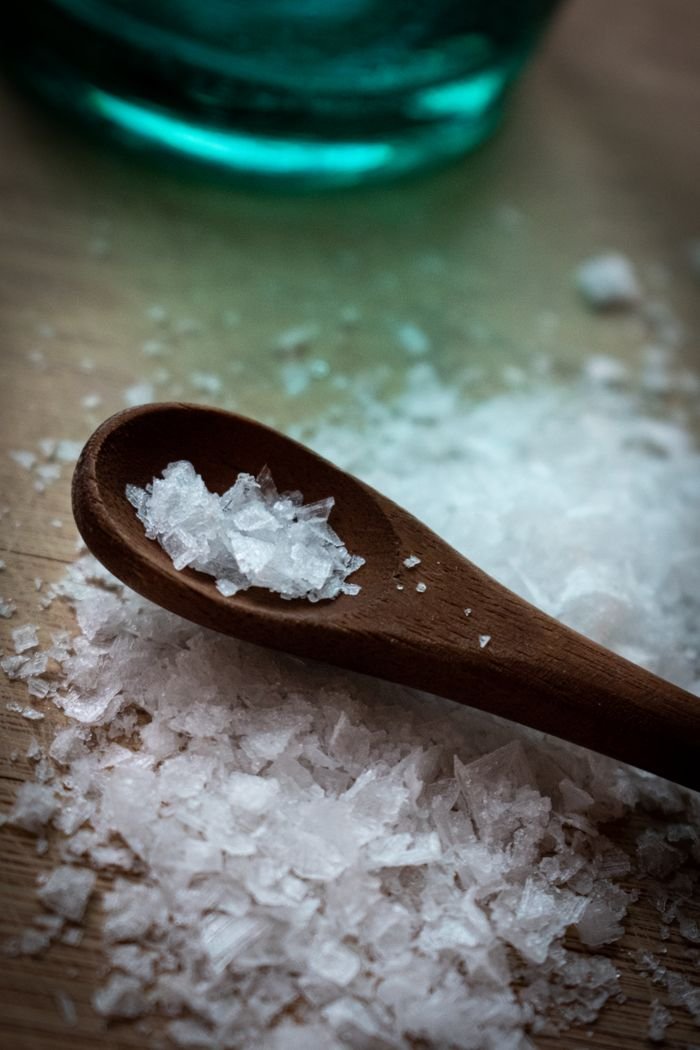
Palmitic Acid is a saturated fatty acid commonly derived from palm oil and palm-based feedstocks. It is widely used in soap and detergent manufacturing, candles, cosmetics, personal care products, lubricants, rubber processing and other industrial applications. Commercial palm-derived grades such as C16-85 and C16-90 are available.
Typical Specification:
Palmitic Acid (C16:0): ≥85%
Total Fatty Matter: ≥98%
Acid Value: 210–221 mg KOH/g
Saponification Value: 211–222 mg KOH/g
Iodine Value: ≤15 g I₂/100 g
Titer / Melting Point: ≥56°C
Moisture: ≤0.50%
Appearance: White to off-white flakes or beads
Odor: Mild, characteristic fatty odor
Origin: Malaysia
Application: Soap, candles, cosmetics, personal care, rubber, lubricants and industrial applications
Packaging: 25 kg Bags, 500–600 kg Jumbo Bags, IBC or Bulk
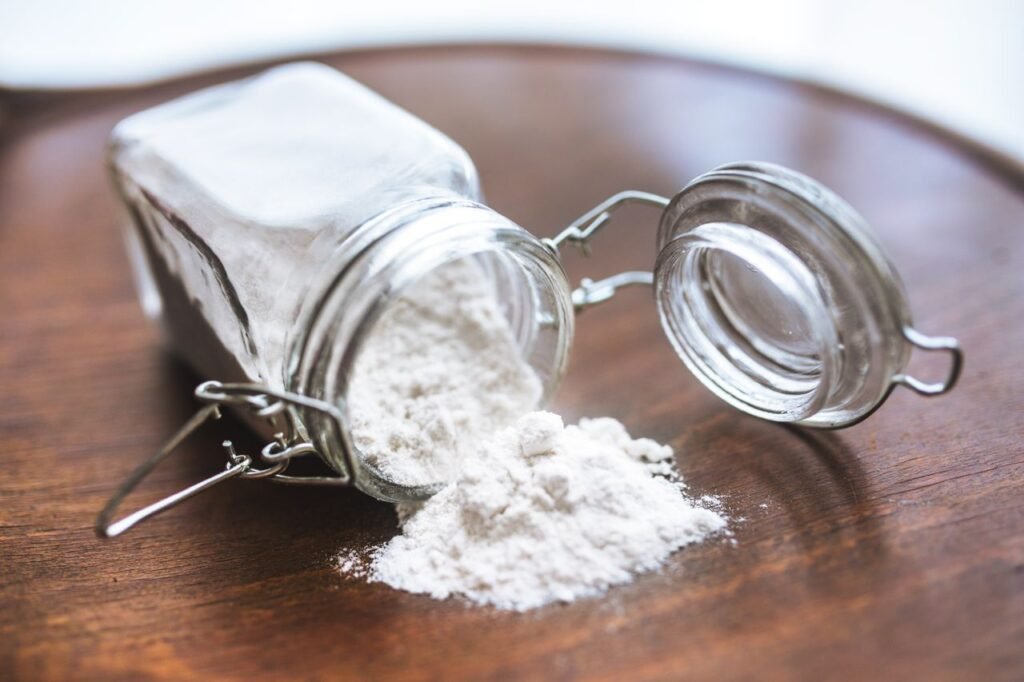
Lauric Acid is a saturated medium-chain fatty acid commonly obtained from palm kernel oil and coconut oil. It is an important raw material for soaps, detergents, cosmetics, personal care products, surfactants, lubricants and various oleochemical applications. Palm kernel oil itself typically contains about 48% lauric acid, making it an important palm-based source.
Typical Specification:
Lauric Acid (C12:0): ≥98%
Total Fatty Matter: ≥99%
Acid Value: 275–285 mg KOH/g
Saponification Value: 275–285 mg KOH/g
Iodine Value: ≤1.0 g I₂/100 g
Titer / Melting Point: 43–45°C
Moisture: ≤0.20%
Appearance: White to off-white flakes, beads or powder
Odor: Mild, characteristic fatty odor
Origin: Malaysia
Application: Soap, detergents, cosmetics, personal care, surfactants, candles and oleochemicals
Packaging: 25 kg Bags, 500–600 kg Jumbo Bags, HDPE Drums, IBC or Bulk